

Products
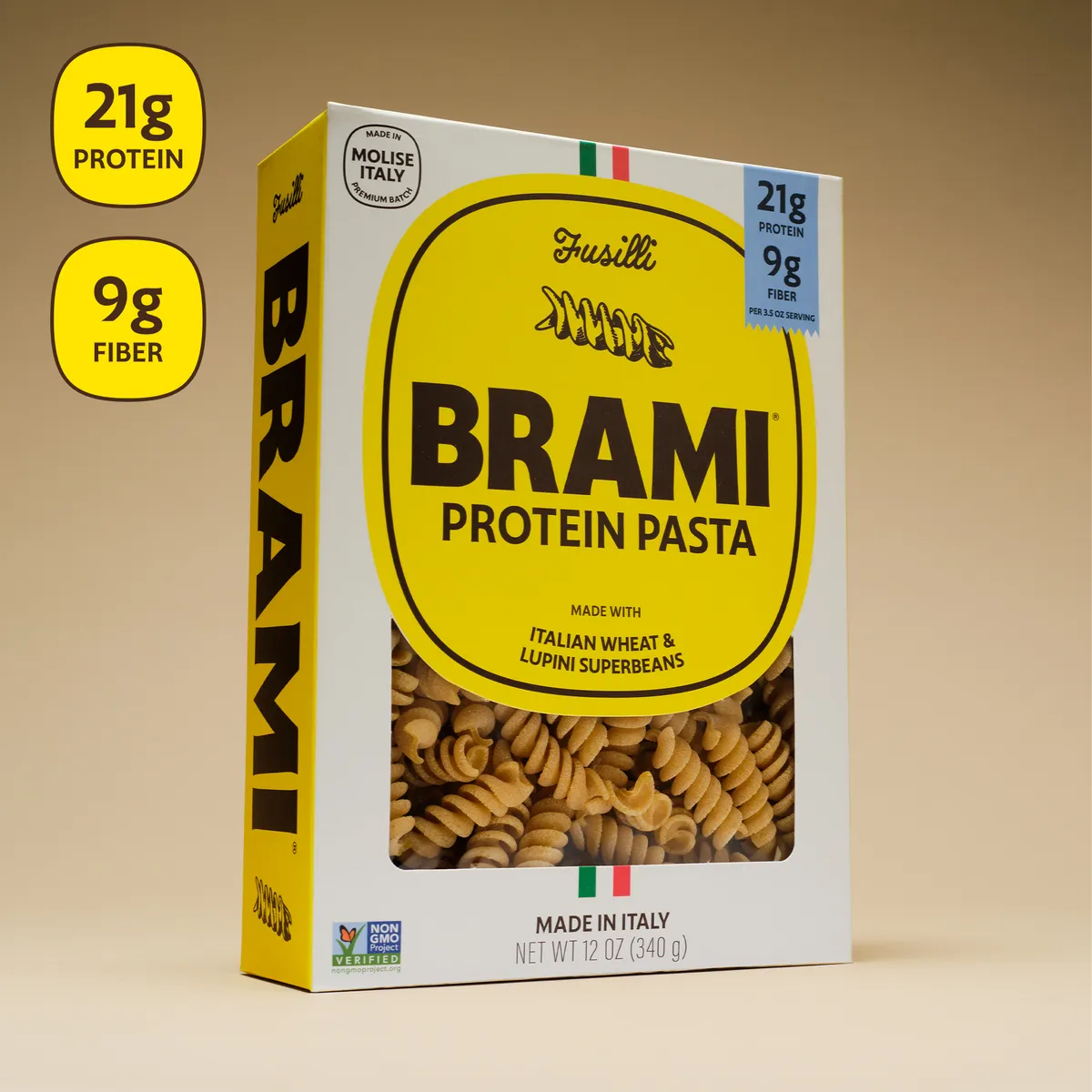
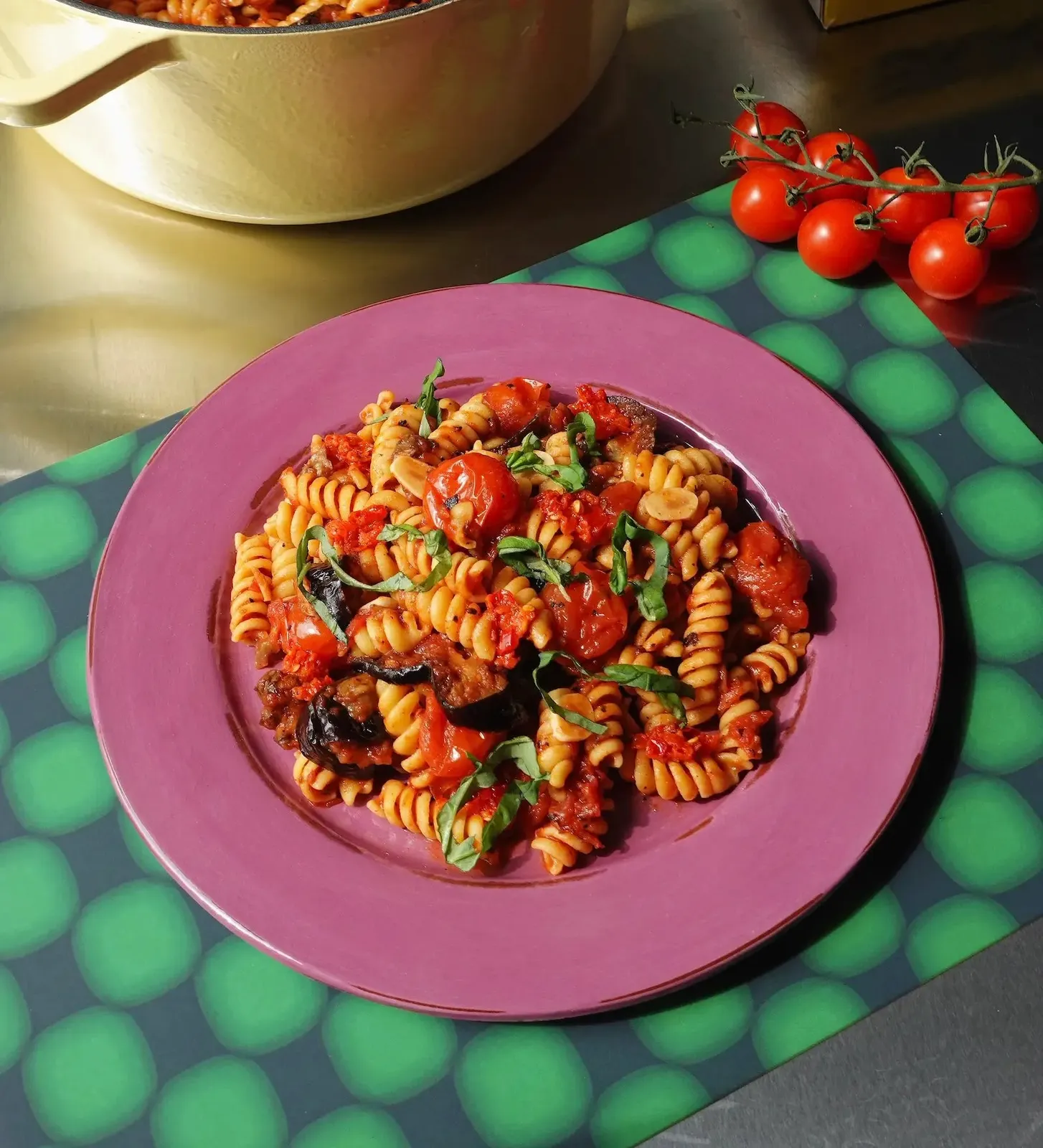
Fusilli
Tight spirals for pesto, ragù and salads
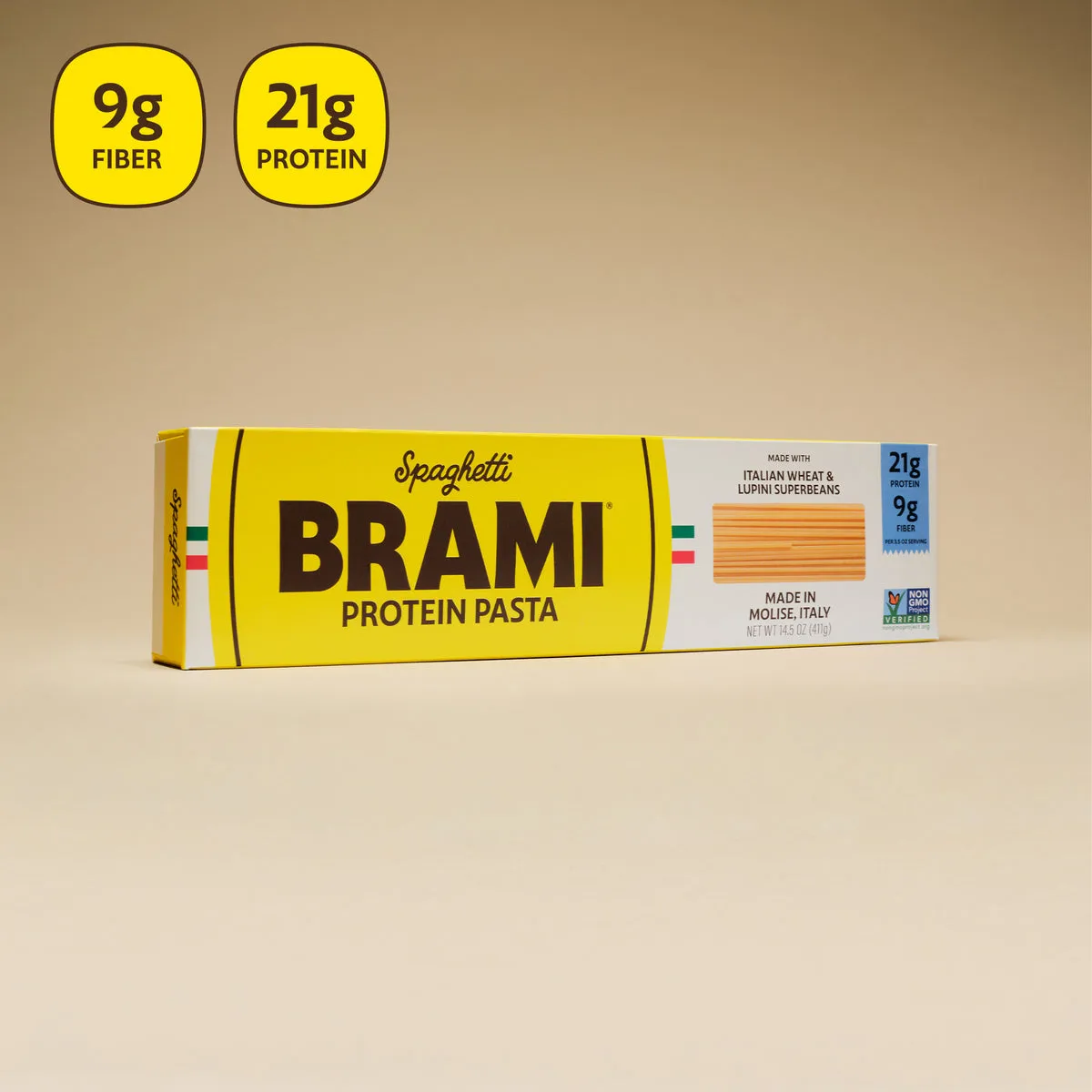
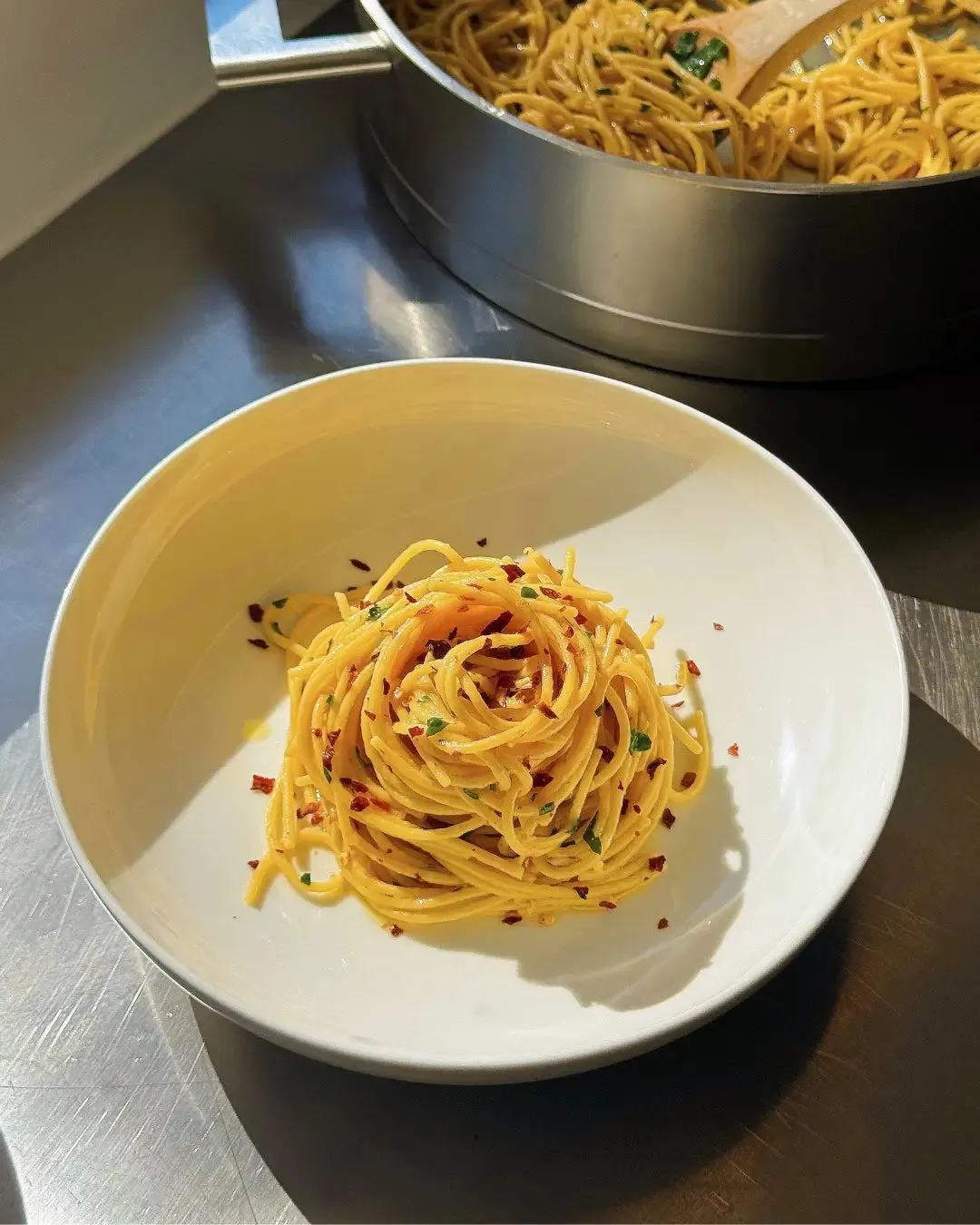
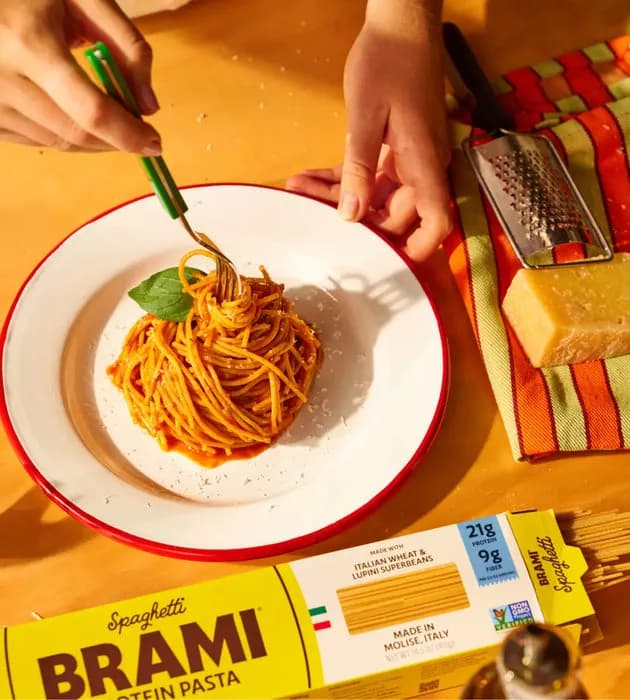
Spaghetti
Classic long strands for oil or pomodoro
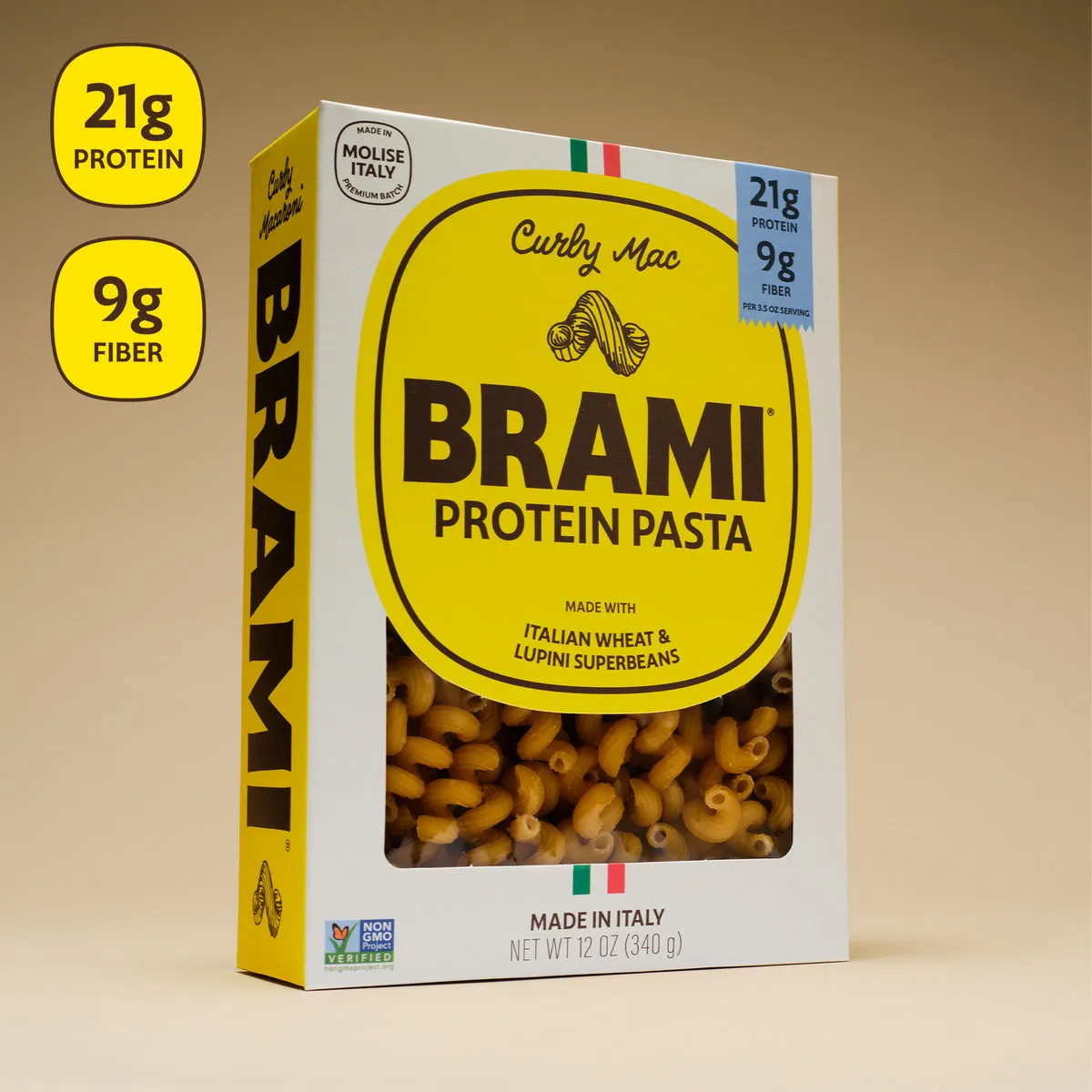
Curly Mac
Hollow corkscrews made for mac and cheese
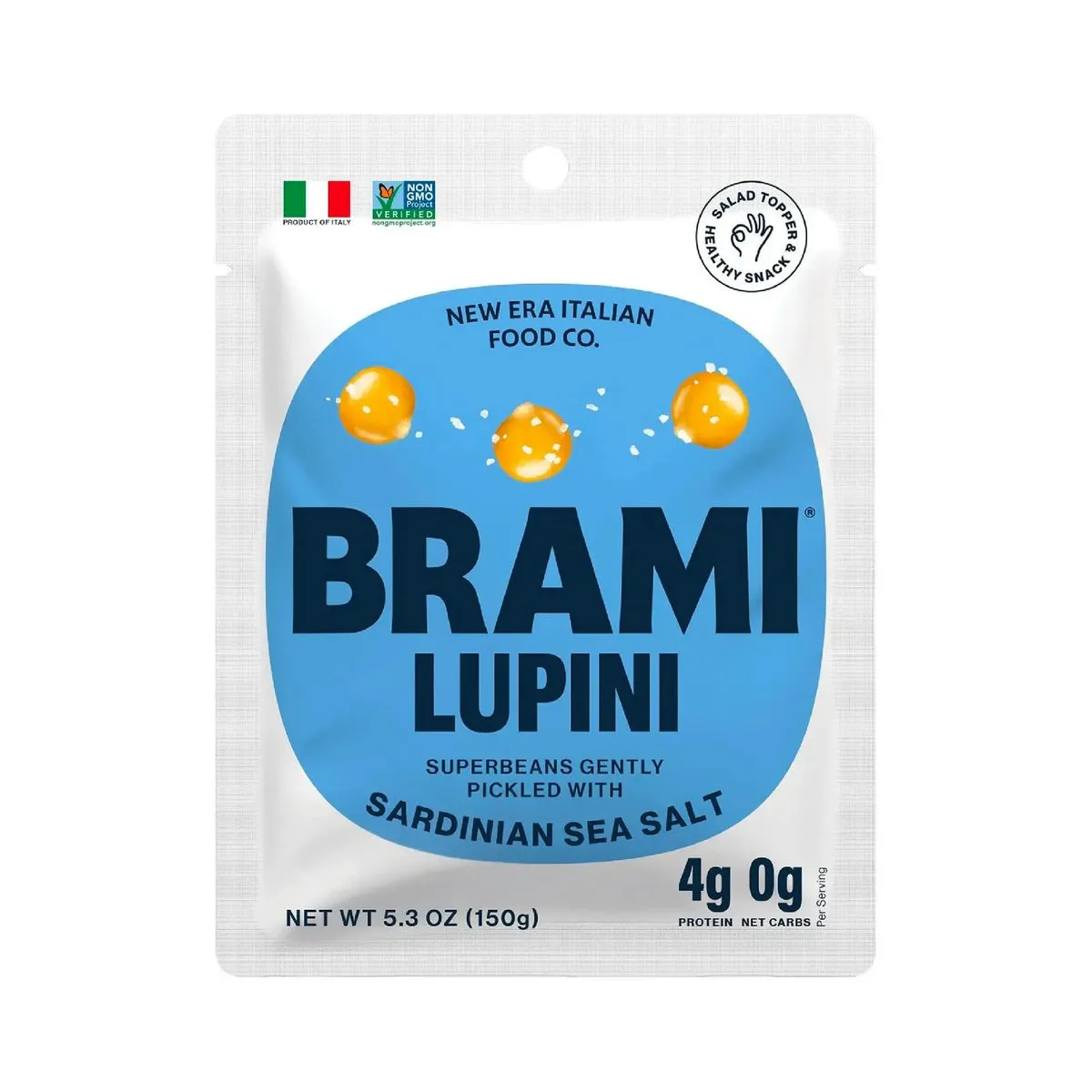
Sardinian Sea Salt
Pickled lupini beans with Sardinian salt
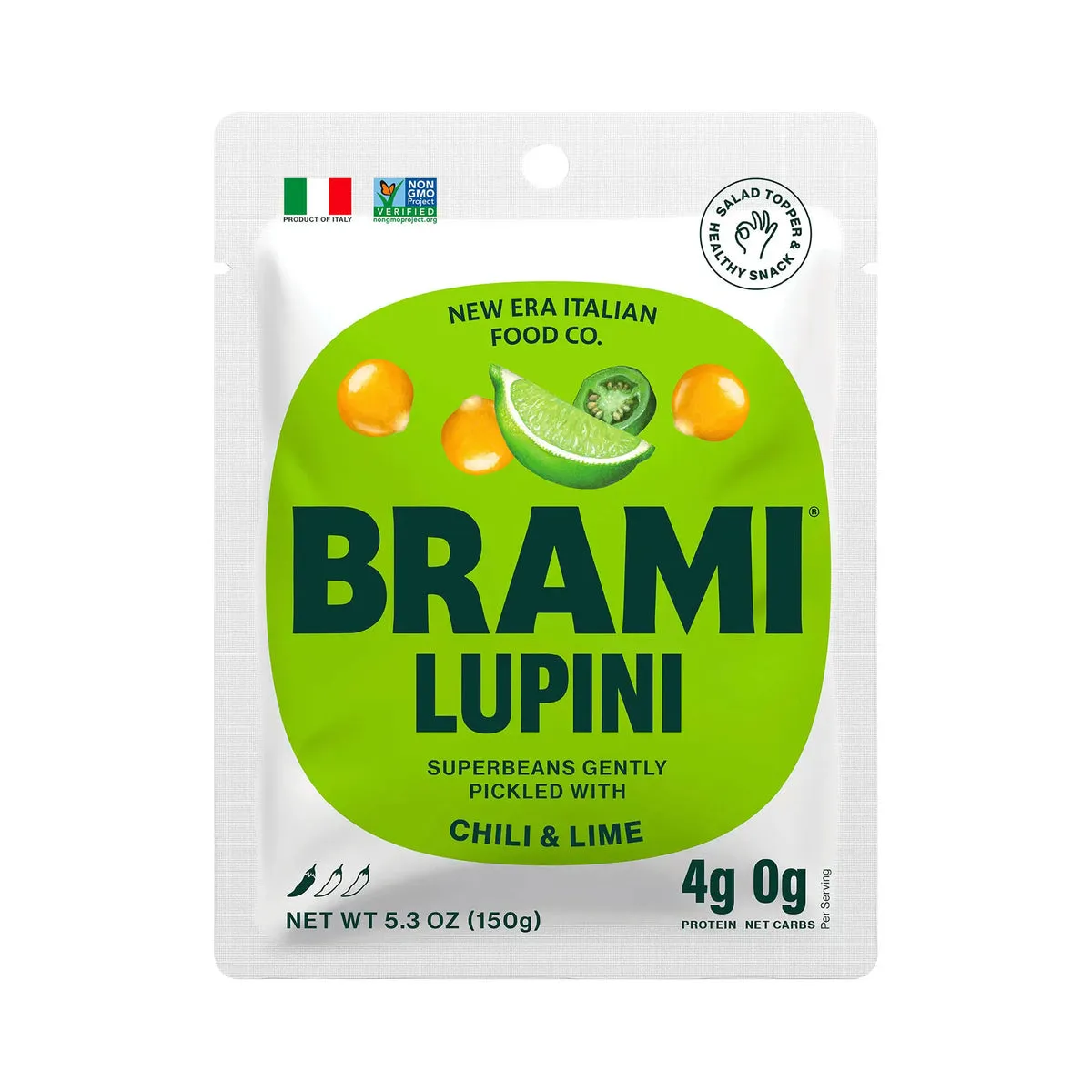
Chili & Lime
Snacking lupini with chili and lime
Gallery
About Brami
Founded by Aaron Gatti
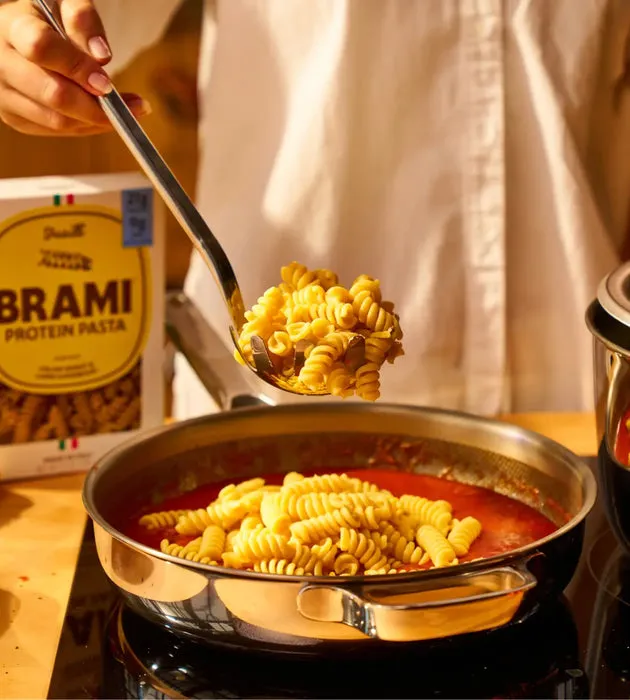
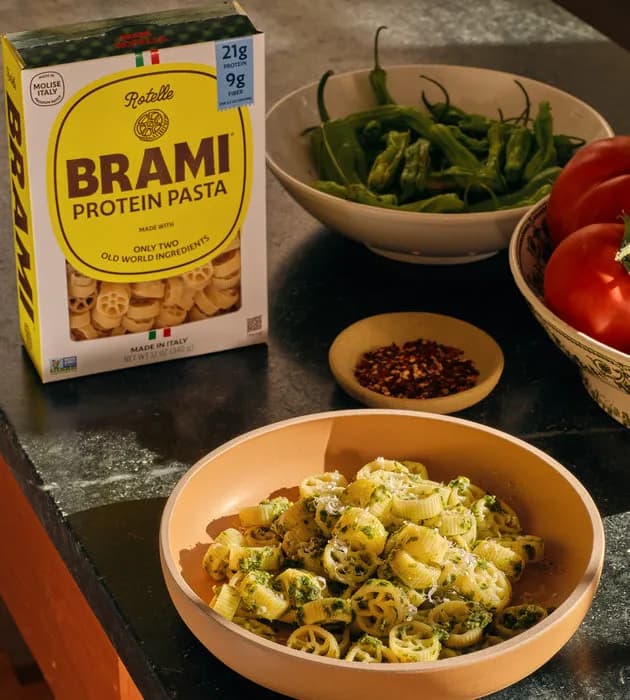
Brami makes protein pasta from just Italian durum wheat and lupini beans, kneaded with mountain spring water and bronze-cut in Molise, Italy. The range covers shapes like fusilli, spaghetti, radiatori and curly mac, plus pouches of gently pickled lupini beans for snacking. Founder Aaron Gatti started the brand after childhood meals in his grandparents' kitchen in Italy, hoping to bring that simple, slow way of eating to American tables.
Good to know
Answered by Brami.
What does the name Brami mean?
It comes from the Italian verb bramare, meaning to passionately desire. It's pronounced BRAH-mee.
Where are Brami products made?
Everything is made in Italy. The lupini beans are grown in Puglia and Campania, and the durum wheat in and around Molise.
What is the pasta made of?
Italian durum semolina wheat and lupini bean flour, mixed with mountain spring water. There are no fillers, gums, isolates or pea ingredients.
How much protein and fiber is in the pasta?
About 21g of protein and 9g of fiber per 3.5oz serving, from the wheat and lupini beans.
Is the pasta gluten-free?
No. It contains Italian durum wheat, which gives it its traditional texture.
Is the pasta glyphosate-free?
Yes. The brand says it is Certified Glyphosate Free by the Detox Project.
Can people with peanut or soy allergies eat lupini beans?
Lupini beans are legumes, like peanuts and soy, so cross-reactivity is possible. Anyone with a legume sensitivity should be cautious and check with a doctor first.
How should I store the pasta?
Keep boxes in a cool, dry place and check the best-by date on the box. Cooked leftovers keep 3 to 5 days in an airtight container in the fridge.