
Products
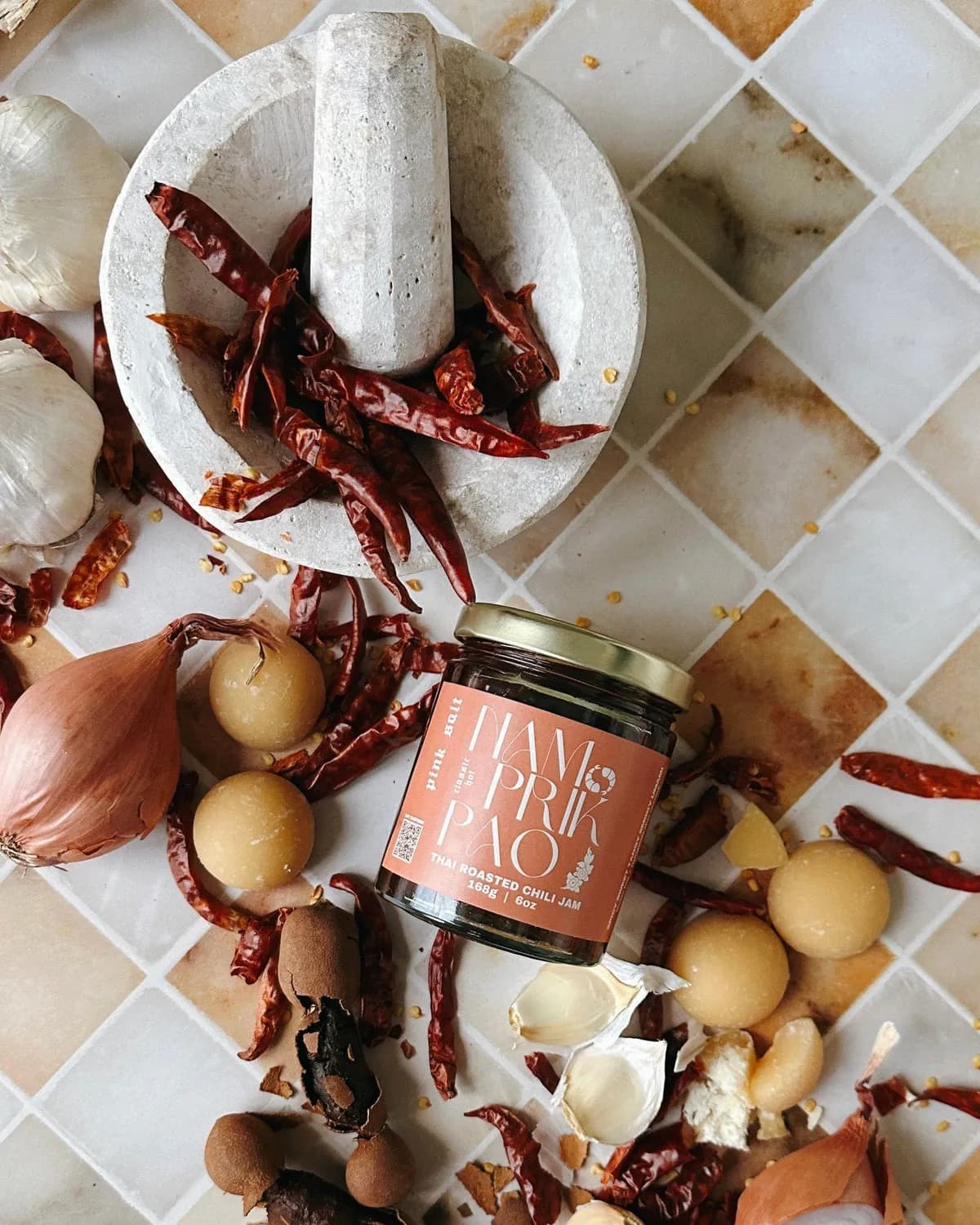
Classic Nam Prik Pao (Hot) – Thai Roasted Chili Jam contains Shellfish
The original roasted chili jam, with heat
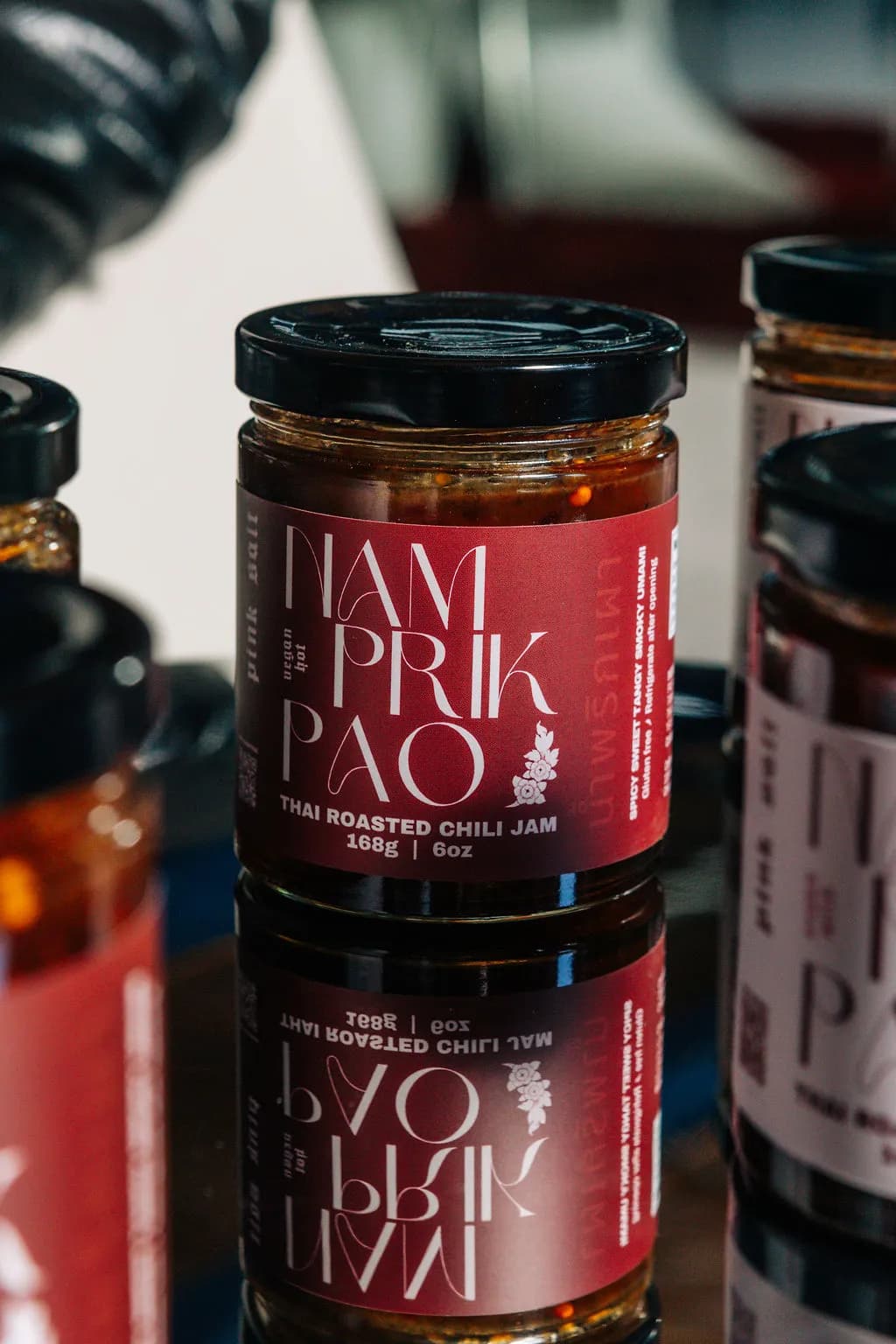
Vegan Nam Prik Pao (Hot) – Thai Roasted Chili Jam
Plant-based chili jam, no fish or shrimp
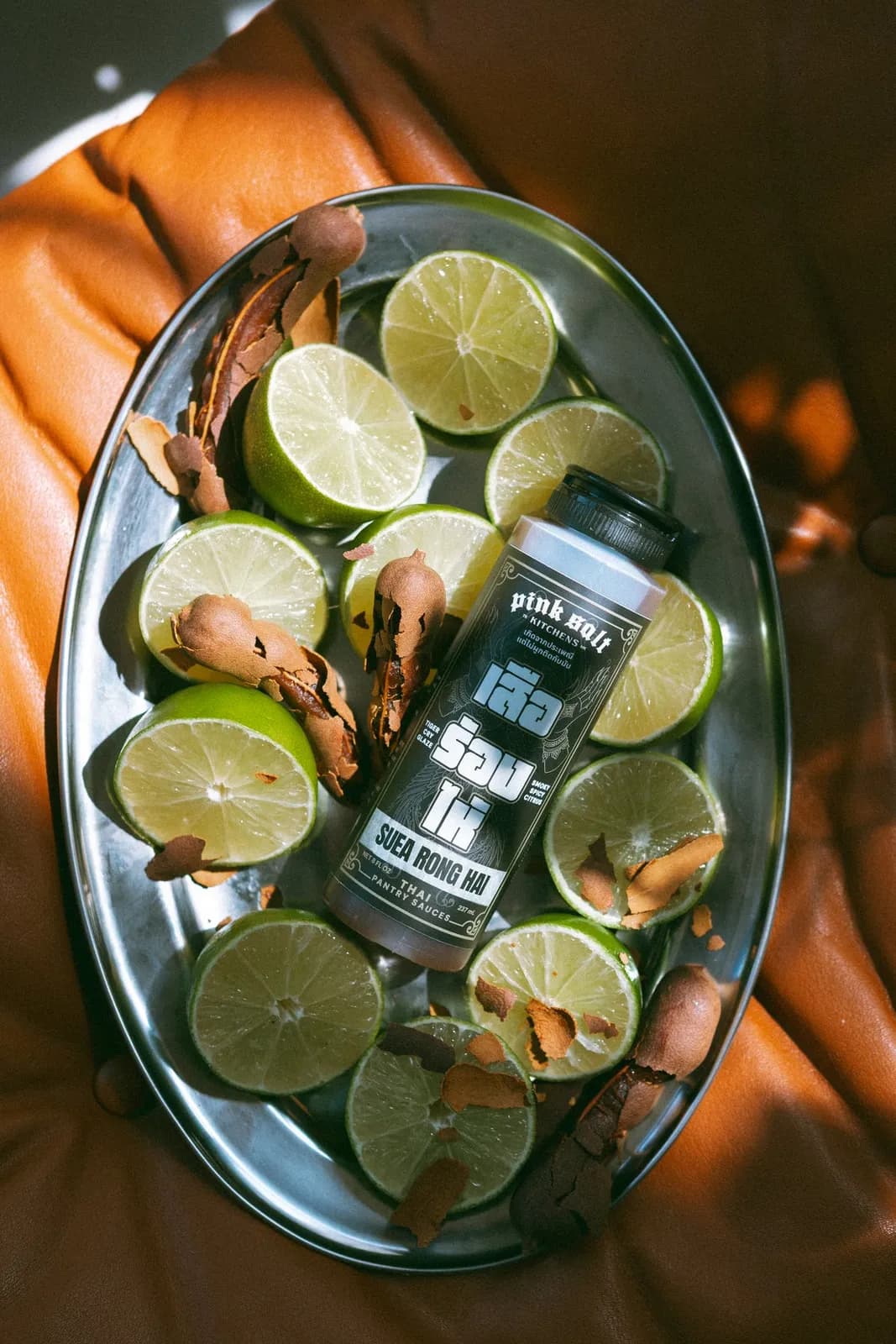
Suea Rong Hai "Tiger Cry" – Thai Tamarind Glaze
Tamarind and lime glaze for grilled meat
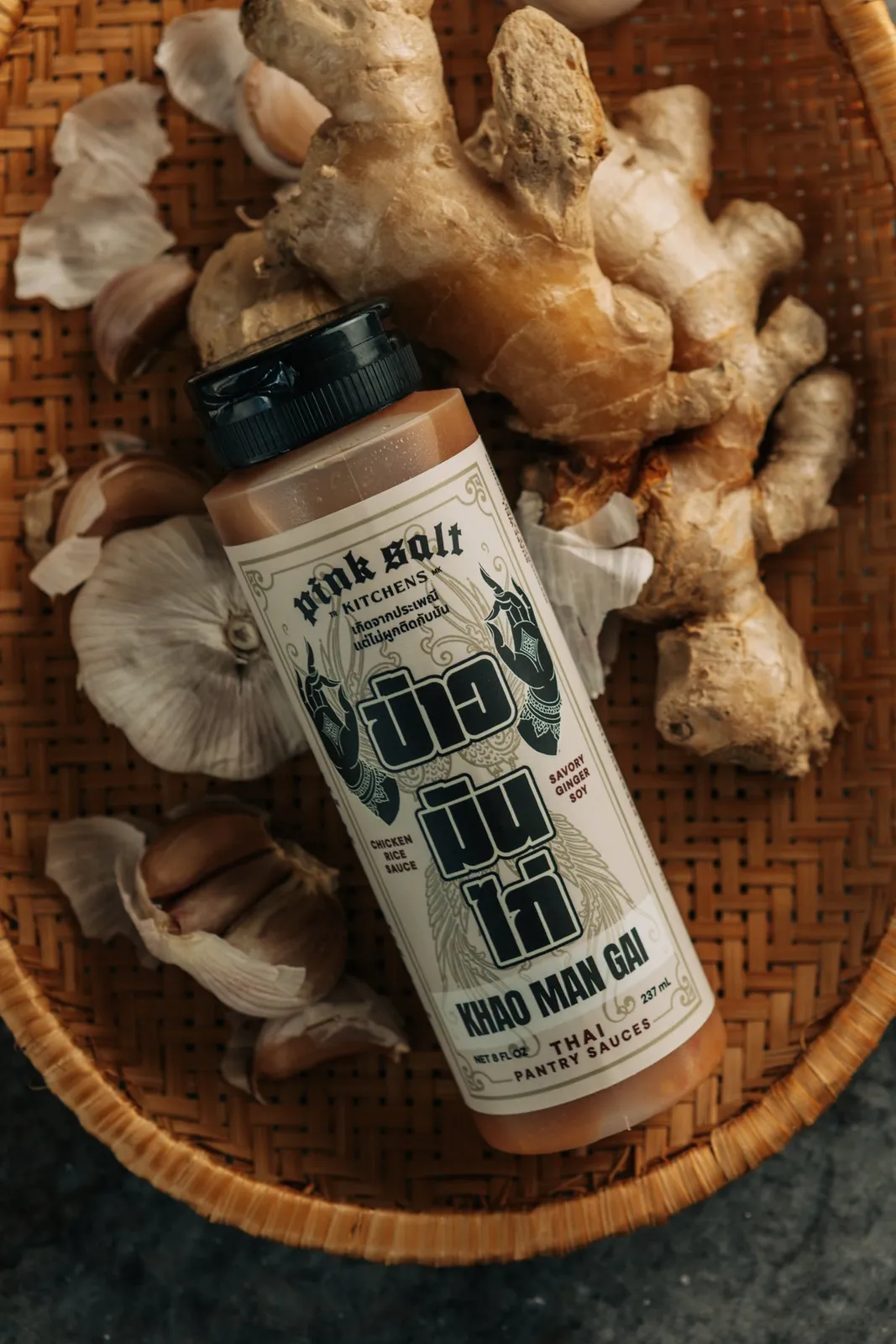
Khao Man Gai – Thai Ginger-Garlic Fermented Soy Sauce
Ginger-garlic soy sauce for chicken and rice
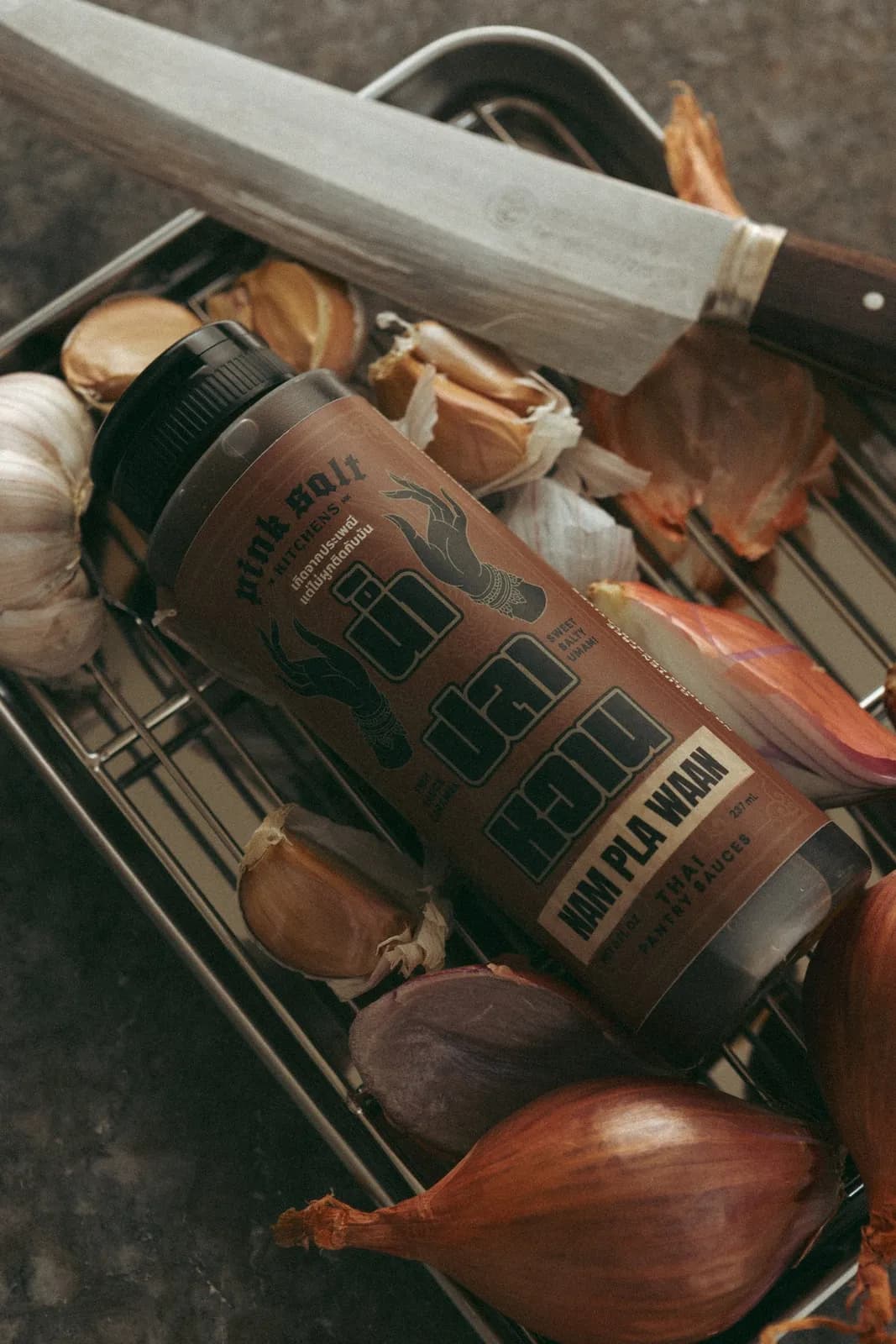
Nam Pla Waan – Thai Fish Sauce Caramel
Sweet-savory fish sauce caramel
Gallery

About Pink Salt
Founded by Palita Sriratana
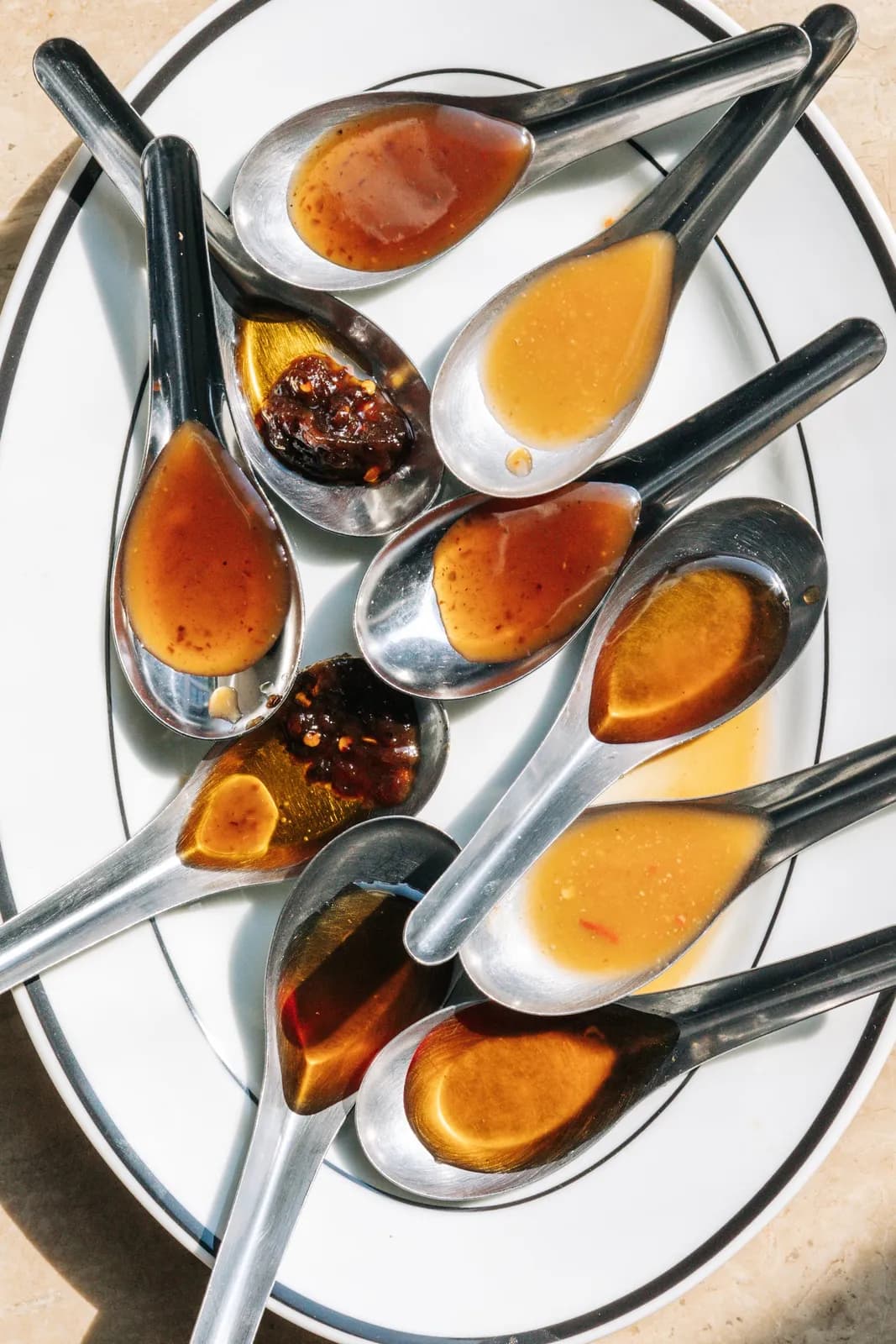
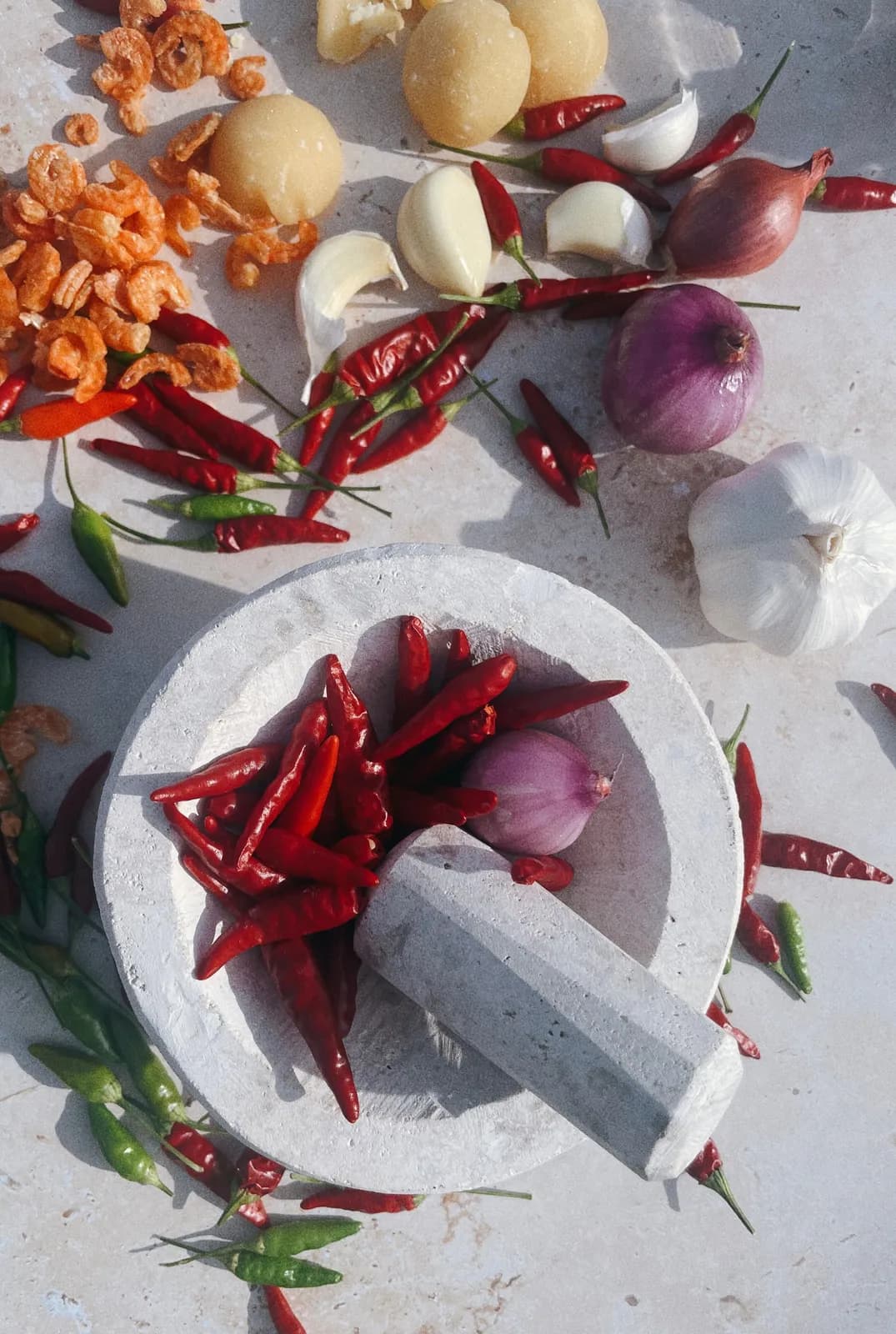
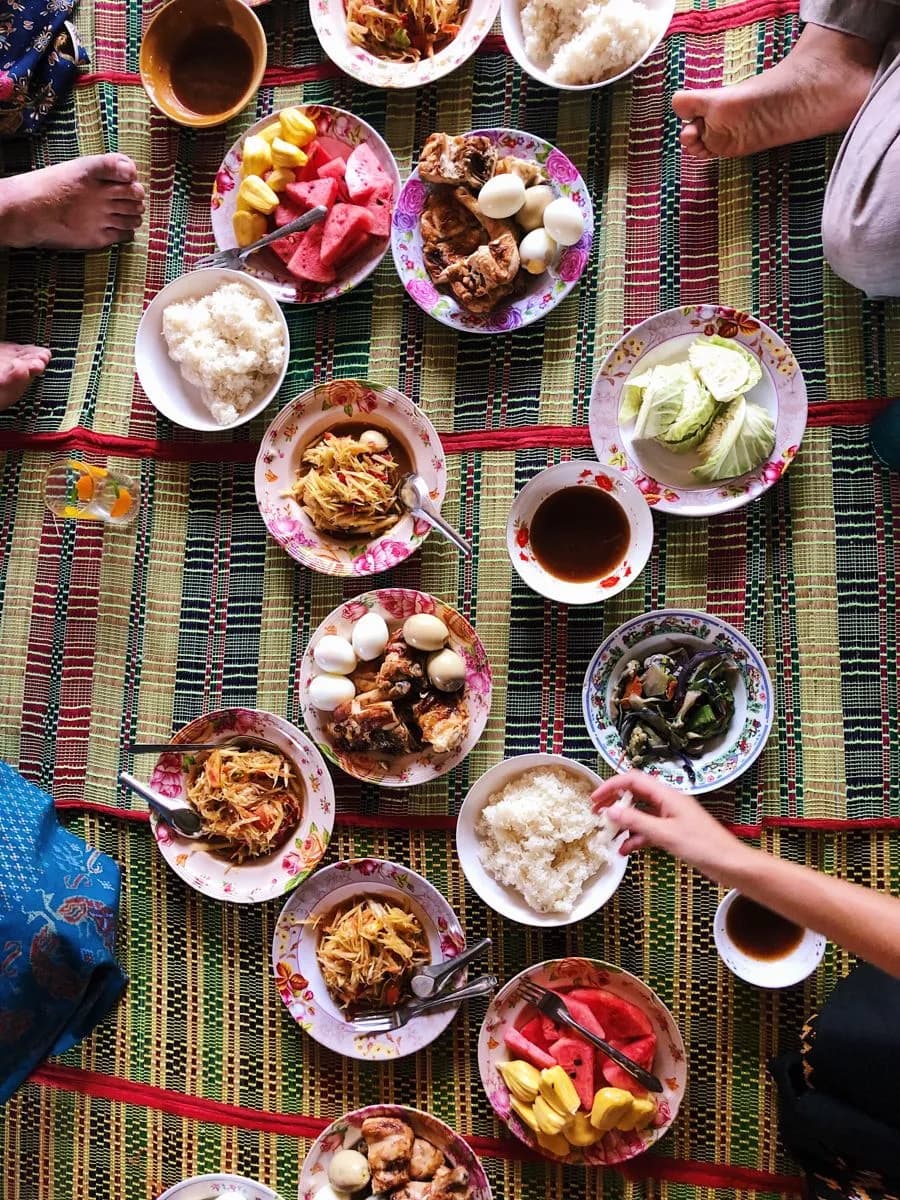
Pink Salt Kitchens makes small-batch Thai sauces and condiments, led by Nam Prik Pao, a roasted chili jam built on caramelized shallots, tamarind and palm sugar, in classic and plant-based versions. The range also includes a tamarind glaze, a ginger-garlic fermented soy sauce and a fish sauce caramel. It grew out of Pink Salt, a Chicago West Loop restaurant, and founder Palita Sriratana draws on childhood summers in Bangkok and her family's home in Thailand. The sauces are handmade in Chicago.
Good to know
Answered by Pink Salt.
What goes into the sauces?
Chiles, aromatics, tamarind, shallots, garlic and fermented pastes, with no fillers.
How long do they keep?
They are shelf stable unopened. After opening, refrigerate and use within 60 days.
Are they spicy?
Some are and some are not. Each product carries a heat indicator.
Are they gluten-free?
Most are. Check each product label for allergen details.
Where are they made?
In Chicago, and shipped from there.
How should I use them?
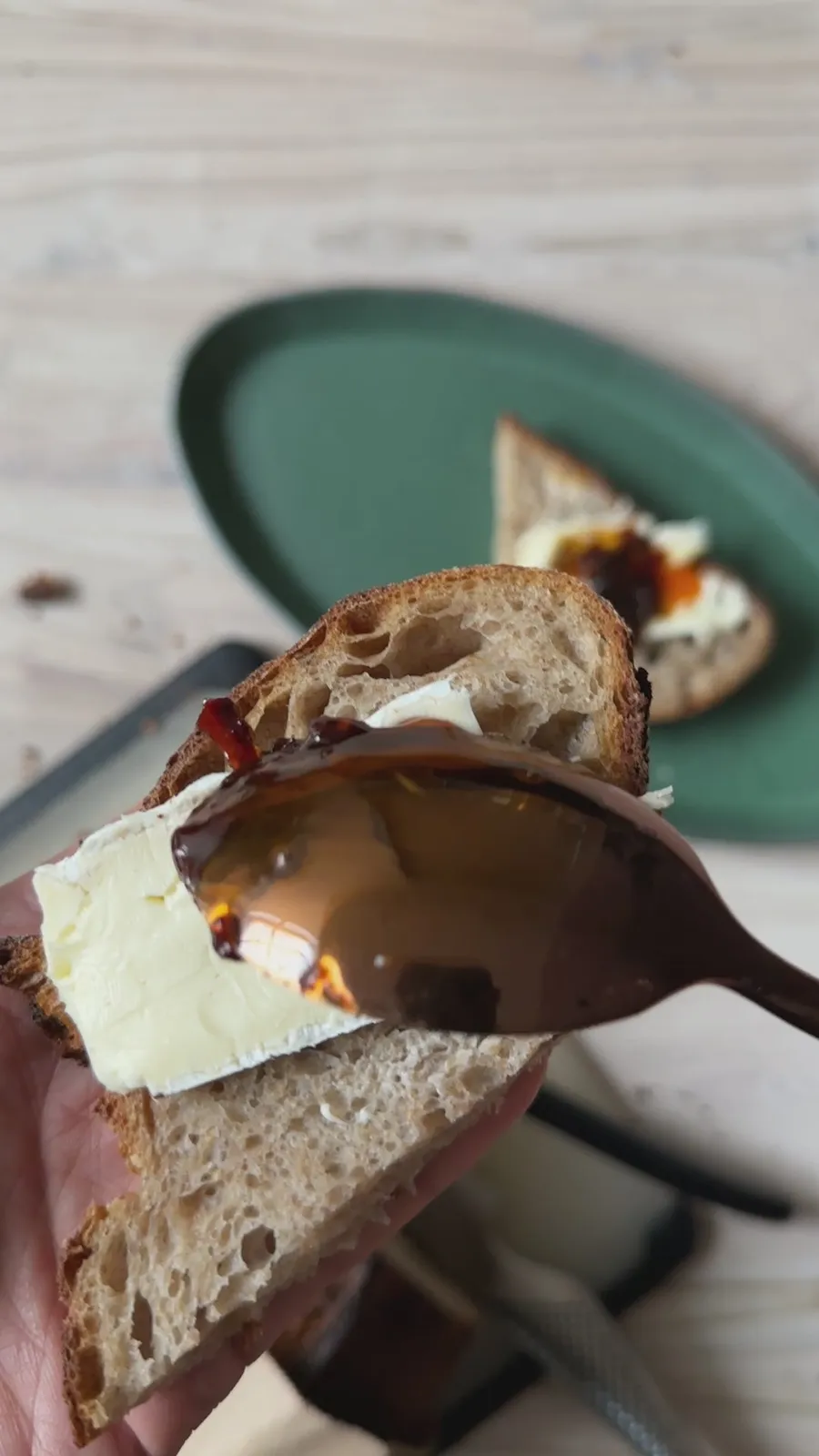
Stir into noodles, spoon over rice, use as a marinade, or eat straight from the spoon.